Australia wraps over 35,000 kilometers of coastline around a continent the size of continental Europe. That number means nothing until you start moving along it — because the coastline does not repeat itself across those distances in any meaningful way.
Queensland runs warm and reef-backed. New South Wales holds surf culture and harbor beaches that define how most people picture Australian beach life. Western Australia stretches remote and dramatic for thousands of kilometers with Indian Ocean water that looks completely different from the east coast. South Australia and Tasmania add cold, wild shorelines that reward travelers willing to travel further for less company.
The best beaches in Australia do not concentrate in one state or one region. They scatter across the full continent in ways that suit different travel styles, different budgets, and different definitions of what a great beach actually means. This guide covers all of it directly.
Best Beaches in Australia — Complete 2026 State by State Guide
Queensland — Warm Water, Reef Access and Island Beaches
Queensland stays warm through most of the year. The Great Barrier Reef sits offshore along the entire northern stretch. The Whitsunday Islands concentrate some of the best beaches in Australia into a single accessible archipelago that rewards both day trips and multi-night stays.
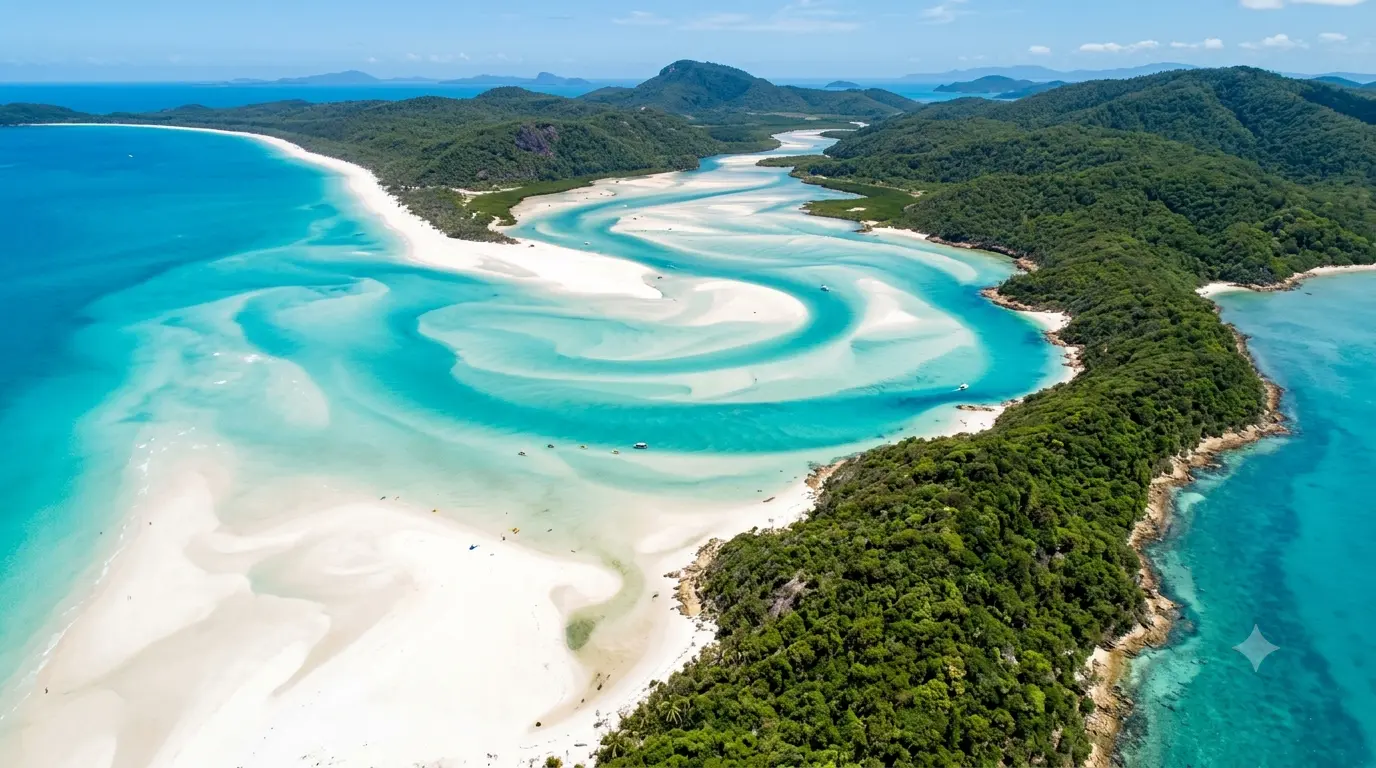
Whitehaven Beach, Whitsunday Islands Pure silica sand so fine it stays cool underfoot even in direct summer heat — a fact that surprises most visitors who reach down to touch it for the first time. Hill Inlet at the northern end shows swirling patterns of white sand and turquoise water from the lookout above. The view appears on more Australian tourism material than almost any other single coastal image in the country. Accessible only by boat or seaplane from Airlie Beach on the mainland — no road reaches this beach.
Four Mile Beach, Port Douglas A long palm-backed arc north of Cairns. Stinger-netted swimming enclosures make year-round beach swimming safe in a region where marine stingers create real risk through the wet season months from October to May. Port Douglas town sits directly behind the sand with strong restaurant options and straightforward access to both the reef and the Daintree Rainforest further north.
Noosa Main Beach, Sunshine Coast Faces north rather than east — an unusual orientation that produces calm, sheltered water on days when the rest of the Queensland coast runs choppy. Surf Lifesaving patrols operate year-round. Hastings Street behind the beach holds cafes and restaurants within easy walking distance of the sand. Noosa National Park begins at the eastern end and holds several smaller coves accessible by coastal walking track within 30 minutes of the main beach.
Rainbow Beach Colored sand cliffs in over seventy distinct shades of ochre, red, orange, and white rise directly above the beach. The color variation comes from mineral deposits laid down in the sand layers over thousands of years. Carlo Sand Blow — a large active dune system above the town — delivers a view across the cliffs and beach below that most visitors do not expect from a Queensland coastal town of this size.
New South Wales — Surf Culture and Harbor Beauty
New South Wales holds the highest concentration of internationally known best beaches in Australia. Sydney sits in the middle of the state’s coastline. The beaches immediately surrounding the city have earned their reputation across decades of consistent quality — and the coastline extending north and south delivers further options that the city’s fame often overshadows.
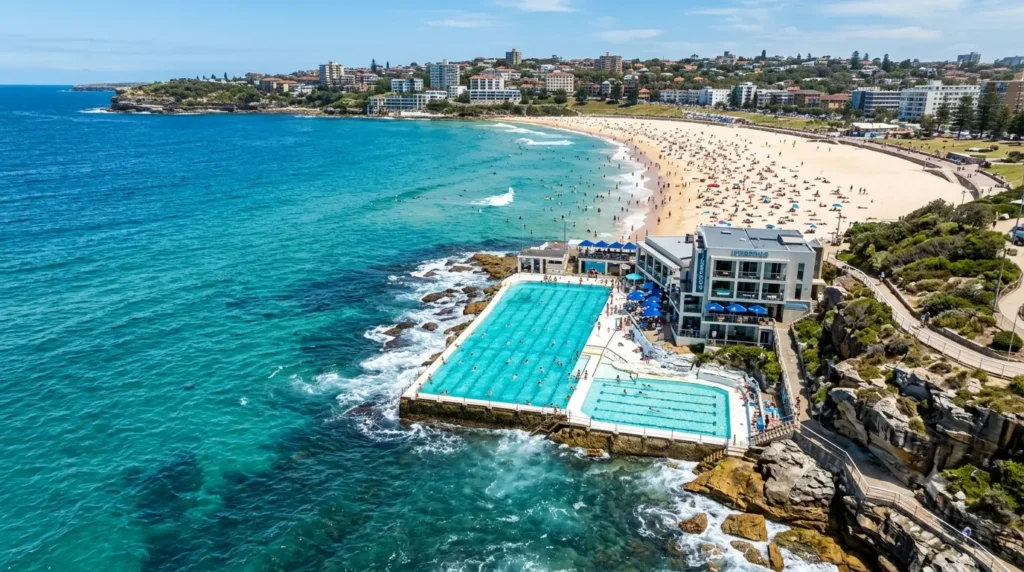
Bondi Beach, Sydney The crescent of sand, the Icebergs ocean pool at the southern end, the coastal walk to Coogee — all of it matches what photographs show. What photographs miss is the energy on a summer Sunday morning — swimmers, surfers, families, and the general sense that a large portion of the city decided simultaneously to be in this exact place. Surf Lifesaving patrols run year-round. Rip currents develop on both sides of the bay — swimming between the flags is the correct approach regardless of how confident a swimmer you are.
Jervis Bay, South Coast Two hours south of Sydney. Hyams Beach inside the bay holds a claim for the whitest sand on earth — verified by Guinness records. Water clarity here consistently surprises visitors arriving from Bondi or Manly. Dolphins move through the bay year-round without boat-based encouragement. Whales pass through between May and November. The surrounding national park limits development to a degree that keeps the bay in better condition than most accessible New South Wales coastal destinations.
Byron Bay The easternmost point of the Australian mainland sits on the headland above Byron Bay. The lighthouse walk delivers views along the coast north toward Queensland and south toward the NSW beaches. The Main Beach suits swimming and beginner surfing. The Pass at the northern end produces long right-hand waves that have made Byron a surfing destination for over fifty years. The town behind the beaches runs at a pace deliberately slower than Sydney — that pace is part of what people come for.
Manly Beach, Sydney A 35-minute ferry ride from Circular Quay deposits passengers at Manly Wharf with the beach a short walk across the isthmus. The Manly to Spit Bridge coastal walk covers 10 kilometers of harbor-side bush track and returns views across Sydney Harbour that the city’s main tourist circuit rarely highlights. The main beach faces open Pacific and produces consistent surf through the winter months when Queensland beaches run hot and crowded.
Western Australia — Remote Indian Ocean Coastline
Western Australia holds some of the best beaches in Australia by any honest measure — and holds them largely to itself because the distances involved filter out travelers who are not specifically coming for them. Perth sits further from Sydney than London sits from Tehran. The coastline north of Perth runs for thousands of kilometers with Indian Ocean water in shades that photographs routinely fail to capture accurately.
Cable Beach, Broome Twenty-two kilometers of red-tinted sand along the Indian Ocean at Broome in the Kimberley region. The red color comes from iron oxide in the sand — the same mineral that gives the Kimberley landscape its color inland. Sunset over the Indian Ocean from Cable Beach produces sky colors that have made this one of the most photographed sunset locations on the continent. Camel trains move along the beach at sunset — specific to Broome with no equivalent anywhere else in Australia.
Turquoise Bay, Ningaloo Reef Ningaloo Reef runs along the Western Australian coast for 260 kilometers and comes within 100 meters of the shoreline in places — reachable directly from the beach without a boat. Turquoise Bay sits inside Cape Range National Park and delivers snorkeling quality that rivals the Great Barrier Reef at a fraction of the visitor numbers. Whale sharks pass through Ningaloo waters between March and July — the largest accessible concentration of these animals anywhere on earth for snorkelers.
Lucky Bay, Cape Le Grand National Park White sand, calm clear water, and kangaroos using the beach as a regular resting spot. Wildlife and beach photography happen simultaneously here without any planning or effort. Cape Le Grand National Park surrounds the beach — no development, basic camping facilities only, and enough quiet that the sound of the waves becomes the only background noise within minutes of arriving.
Meelup Beach, Dunsborough A sheltered cove in the Margaret River region south of Perth. Calm, clear water suited to families with young children. The Margaret River wine region sits inland — Meelup works well as a coastal morning paired with winery visits through the afternoon. Cape Naturaliste lighthouse at the northern tip of Geographe Bay sits a short drive away and delivers coastal views in both directions along the bay.
South Australia and Tasmania — Cold, Wild and Rewarding
The southern Australian coastline runs cold through most of the year. Water temperatures stay low. Wind comes off the Southern Ocean with force. The beaches carry a drama and emptiness that warmer northern coasts cannot match — and that combination suits a specific type of traveler very well among those searching for the best beaches in Australia.
Vivonne Bay, Kangaroo Island Consistently rated among the finest natural beaches in the country. Kangaroo Island sits off the South Australian coast and requires a ferry crossing from Cape Jervis. Vivonne Bay holds fine white sand, clear cold water, and a river mouth at the eastern end where freshwater meets the sea. Wildlife elsewhere on the island includes sea lions, koalas, echidnas, and a penguin colony — the beach sits within an island that justifies several days of exploration independently of its coastline.
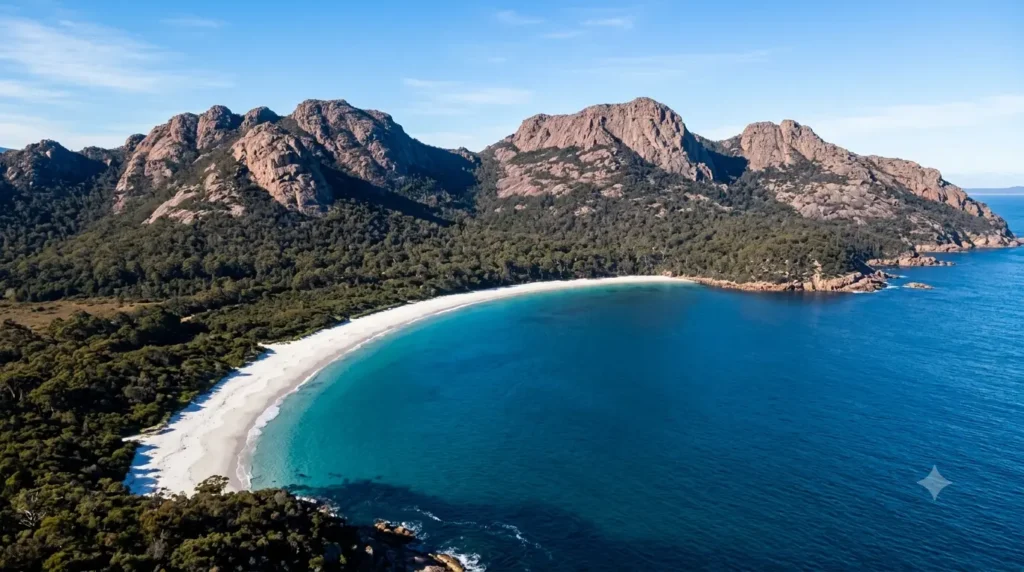
Wineglass Bay, Tasmania A perfect crescent of white sand visible from the Wineglass Bay Lookout above — the 45-minute climb is the most walked track in Tasmania. The descent to the beach takes a further 30 minutes. Cold water, Southern Ocean exposure, and a Freycinet National Park that limits visitor infrastructure deliberately. The pink granite peaks of the Hazards mountain range frame the beach from above — the combination of mountain, beach, and cold blue water produces scenery that photographs like nowhere else in Australia.
Squeaky Beach, Wilsons Promontory The quartz sand squeaks underfoot with each step — a physical sensation that most beach visitors have never experienced and do not expect. Wilsons Promontory National Park at the southernmost tip of the Australian mainland surrounds the beach. No parking close to the beach — reaching Squeaky Beach requires a walk through coastal bush that adds context before the sand appears.
Australia Beach Travel — Key Practical Details for 2026
Water Temperature by Region Queensland northern coast: 26 to 29°C year-round New South Wales: 18 to 23°C in summer, 15 to 18°C in winter Western Australia coast: 20 to 25°C in summer South Australia and Tasmania: 14 to 18°C during warmest months
Marine Stingers — Northern Australia Box jellyfish and Irukandji jellyfish make open water swimming dangerous along the Queensland coast from October through May. Stinger-netted enclosures at patrolled beaches provide safe swimming during this period. June through September eliminates stinger risk and represents the safest swimming window in tropical northern Australia.
Surf Safety Red and yellow flags mark the patrolled swimming area at surf beaches across Australia. Swimming between the flags at all patrolled beaches is the single most important safety decision any visitor makes. Rip currents develop outside flagged areas on exposed surf beaches and account for the majority of coastal drownings in Australia annually.
Best Time by Region Queensland: June through September — dry season, no stingers, clear water New South Wales: December through February — warmest water and longest days Western Australia: April through October — before summer heat peaks inland South Australia and Tasmania: December through February — warmest months in the south
Frequently Asked Questions
What are the best beaches in Australia for families?
Family-friendly best beaches in Australia prioritize calm water, lifeguard patrols, and nearby facilities. Noosa Main Beach combines calm north-facing water with year-round patrol and strong town access. Four Mile Beach in Port Douglas provides stinger-netted enclosures for safe tropical swimming. Meelup Beach in Western Australia delivers calm sheltered water in a national park setting. Hyams Beach in Jervis Bay suits families wanting exceptional water clarity without surf. All four work well across a wide age range.
Which Australian beach has the clearest water?
Turquoise Bay at Ningaloo Reef in Western Australia and Hyams Beach in Jervis Bay New South Wales produce the clearest water conditions among accessible Australian beaches. Ningaloo clarity comes from the reef ecosystem and minimal river input. Jervis Bay clarity reflects the sheltered position and national park protection of the surrounding land. Both locations deliver strong snorkeling without requiring boat access or specialist equipment.
When is the best time to visit the best beaches in Australia?
The answer varies by region. Queensland best beaches in Australia are most accessible June through September when stinger risk drops and dry season conditions deliver clear water. New South Wales beaches peak December through February for warmth. Western Australia coast is best explored between April and October. Southern beaches in Tasmania and South Australia are most accessible December through February when temperatures are at their annual highest.
Are Australian beaches safe for swimming?
Most patrolled Australian beaches are safe when swimmers follow the flag system and stay within the marked area. Unpatrolled beaches carry higher risk from rip currents on surf-exposed coastlines. Tropical northern beaches add marine stinger risk between October and May — stinger-netted enclosures at patrolled beaches provide safe options during this period. Crocodiles inhabit waterways and some coastal areas in the Northern Territory and far north Queensland — local signage clearly identifies areas where water entry is not safe.
How do the best beaches in Australia compare to other global destinations?
Australian beaches compete strongly on size, natural setting, and the combination of wildlife access alongside beach quality. The best beaches in Australia cover a geographic range that no single island destination matches — from tropical reef access in Queensland to remote Indian Ocean wilderness in Western Australia to cold Southern Ocean drama in Tasmania. Water clarity at Ningaloo and Jervis Bay matches Caribbean and Mediterranean standards. The primary challenge is distance — reaching Australia from Europe or North America involves long-haul flights that add significantly to overall trip cost compared to closer alternatives.
Conclusion
The best beaches in Australia spread across a continent large enough that covering them fully takes multiple trips rather than a single itinerary. Queensland delivers warm water and reef access in a way nothing else on earth replicates. New South Wales combines surf culture with harbor beauty. Western Australia holds remote Indian Ocean coastline that looks nothing like the east. The south adds cold, dramatic shorelines for travelers who measure beach quality by emptiness and natural force rather than temperature and facilities.
Every version of a great beach exists somewhere on this coastline. The only requirement is picking the one that fits your trip — and then covering the distance to reach it.
This article was researched and published by the online playmyworld Editorial Team to provide accurate, helpful, and up-to-date travel information for our readers.