

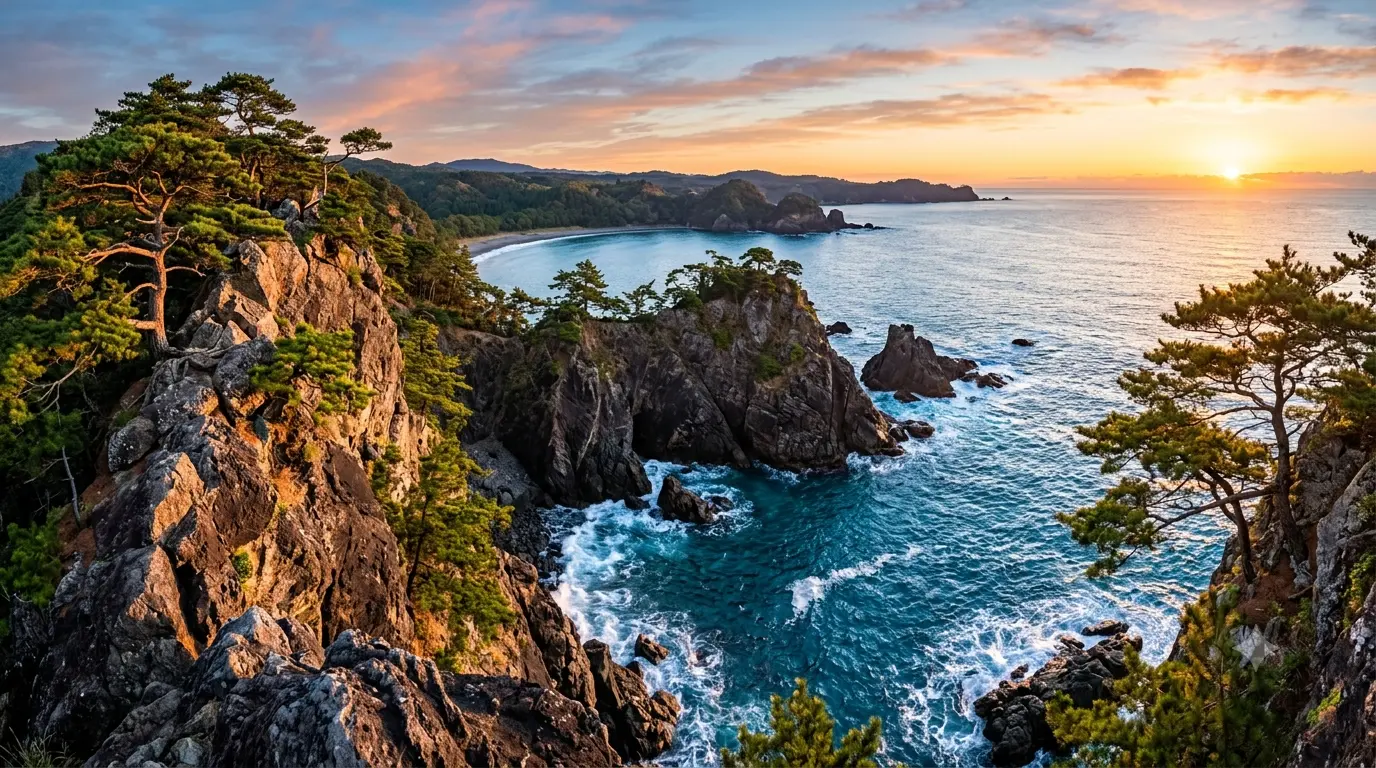
Nummazaki sits quietly along Suruga Bay in Shizuoka Prefecture — a coastal stretch that most international visitors never add to their Japan itinerary. That oversight works in your favor. The highlights of Nummazaki remain genuinely uncrowded, unpackaged, and unfiltered in ways that Japan’s most promoted destinations simply cannot offer anymore.
Rocky shorelines, deep bay waters, morning fish markets, cliffside walking paths, and direct views of Mount Fuji across open water — these are not manufactured attractions. They are the natural and cultural fabric of a place that still runs on fishing schedules and tidal rhythms rather than tourist calendars. This guide covers every major highlight, practical travel detail, and local experience worth knowing before your visit.
Top Highlights of Nummazaki Worth Visiting in 2026
Dramatic Cliffside Coastline
Nummazaki’s coastline does not follow the smooth, sandy template of a resort beach. Volcanic activity and centuries of Pacific erosion have produced something far more interesting — a jagged, irregular shoreline of rocky capes, narrow sea inlets, coastal caves accessible only at low tide, and cliff faces that drop sharply into deep blue water below.
Walking trails run along the top of these cliffs, connecting viewpoints that look directly out over Suruga Bay. The paths range from short 30-minute loops to longer routes that continue south toward the Izu Peninsula for several hours. Early morning is the most rewarding time to walk — light reflects softly off the bay, mist sometimes clings to the cliff faces, and foot traffic is minimal to none.
Gear advice before you go: rubber-soled footwear is essential on sections that collect moisture after rainfall. Carry your own water since no vendors operate along the trail itself. Pack a windproof layer — sea breeze gets strong regardless of the season.
Mount Fuji Views Across the Bay
Few places in Japan position Mount Fuji quite the way Nummazaki does. Rather than viewing the mountain from its base or from a busy observation platform, visitors here see it across open water — rising behind the horizon of Suruga Bay with nothing between the viewer and the summit but sky and sea.
Seeing Fuji from across the water hits differently than standing at its base. Several clifftop points along the Nummazaki trail provide unobstructed sightlines. Harbor areas at lower elevation offer a different angle — Fuji framed between fishing boats and waterfront buildings.
Winter mornings produce the clearest conditions. Cold, dry air eliminates the haze that builds during warmer months, and the mountain appears in sharp definition against blue sky. Clear autumn days run a close second. Summer visibility is the least reliable due to humidity and cloud formation around the peak.
Suruga Bay Marine Life
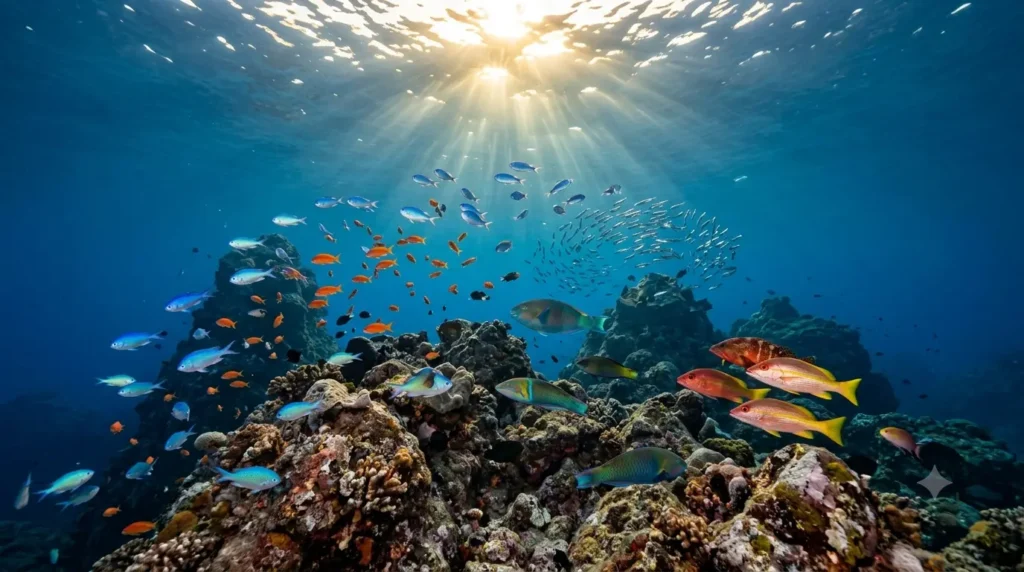
Suruga Bay reaches a maximum depth of around 2,500 meters — making it Japan’s deepest bay and one of the most ecologically distinctive bodies of water in the country. Cold water rising from those depths carries nutrients that support marine species rarely found in shallower coastal areas.
The underwater ecosystem includes deep-sea fish varieties, seasonal squid runs, crustaceans, migratory pelagic species, and populations of dolphins that move through the bay during specific periods of the year. Rocky sections of the shoreline at low tide produce active tide pools where smaller marine life is clearly visible without any equipment.
For visitors who want direct engagement with the bay, options include:
- Boat tours departing from harbor areas for offshore wildlife observation during appropriate seasons
- Snorkeling in calmer, protected cove sections during summer months
- Shoreline wildlife watching from elevated cliff positions, particularly productive during early morning when seabirds are most active
Bioluminescent organisms appear in the bay under specific seasonal and environmental conditions. This cannot be scheduled or guaranteed — but travelers who happen to be present on the right night encounter something genuinely extraordinary.
Traditional Fishing Villages
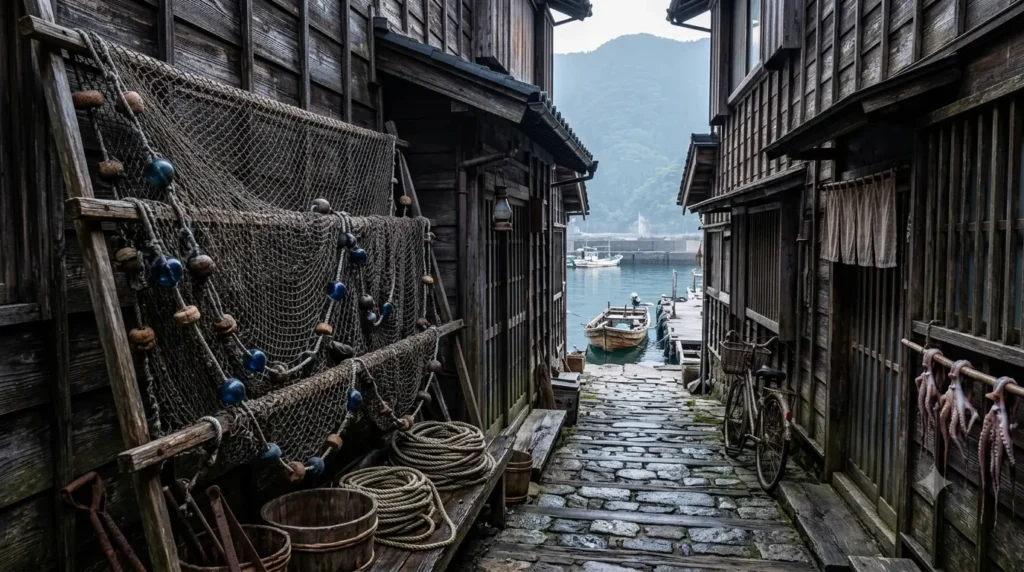
Several small fishing communities occupy the Nummazaki coastline, and visiting them is among the most culturally distinctive highlights of Nummazaki available to any traveler.
These villages function as working communities rather than tourist destinations. Fishing remains the primary occupation and cultural reference point. Buildings face the water for practical reasons, not scenic ones. Morning daily life here runs on tide charts and weather
patterns, not check-in times. What this means for visitors is that the experience requires a different approach than typical sightseeing. Arrive on foot. Move at a reduced pace. Observe without intruding. The reward is access to a version of Japanese coastal life that has not been modified, repackaged, or explained for outside consumption.
Shinto shrines and small Buddhist temples appear throughout these communities — sometimes perched directly on cliff edges, sometimes tucked behind fishing equipment storage at the back of a harbor lane. Many remain actively used by local residents on ordinary days. Walking through quietly is perfectly fine. A small coin offering at the offering box is an appropriate gesture of acknowledgment.
Fresh Seafood from Suruga Bay
The culinary case for visiting Nummazaki is straightforward: Suruga Bay produces exceptional seafood, local restaurants and market vendors receive that seafood within hours of it being caught, and the preparation philosophy keeps interference minimal so the quality of the ingredient remains the central experience.
Sashimi here reflects what the bay produced that morning — not a fixed menu of standardized options. Asking staff what arrived fresh that day produces better results than ordering from a printed list.
Key dishes and eating experiences:
Sashimi — Seasonal varieties shift throughout the year based on what the bay yields. March to May and September to November offer the most varied catch. Winter catches often include species not commonly available at inland restaurants.
Kaisendon — A bowl of lightly seasoned rice topped with multiple varieties of the day’s catch. Practical, filling, affordable, and genuinely reflective of local seasonal availability rather than imported or frozen alternatives.
Grilled whole fish — Simple direct-heat preparation that suits the quality of the ingredient without adding complexity. Accompanied typically by pickled vegetables, miso soup, and steamed rice.
Harbor vendor food — Small stalls near active fishing harbors operate during morning market hours. Skewered seafood, savory cooked items, and traditional sweets produced from regional ingredients. Prices are low. Quality is high. The setting beside working boats and market activity adds significant value to the experience.
Budget guidance: ¥3,000 to ¥6,000 per person per day covers food and local transport comfortably. Accommodation ranges from ¥8,000 per night at a basic guesthouse to ¥20,000 or more at a traditional ryokan with meals included.
Hiking and Coastal Walking Trails

The trail network connecting the highlights of Nummazaki suits a wide range of fitness levels and time commitments. Routes vary from brief 20-minute walks between two adjacent viewpoints to longer half-day routes that move through cliff terrain, forested sections, and harbor areas within a single continuous path.
Elevation change is gradual on most routes — steep enough to produce rewarding views from higher points, manageable enough that moderate fitness is sufficient for the majority of trails. Some sections near prominent headlands involve steeper approach paths, but alternative easier routes exist for most key viewpoints.
Cycling is a practical alternative for visitors who prefer covering more ground per hour.Rental bicycles connect viewpoints and villages at a comfortable pace and allow spontaneous stops at coastal observation points that walking-only visitors might pass without pausing.
Morning timing consistently outperforms afternoon for trail activity. Light conditions are better for photography, wildlife activity is higher near the water, and the paths are quieter. Afternoon fog sometimes reduces bay visibility during certain seasons.
Nearby Hot Springs and Ryokan Accommodation
The Izu Peninsula begins immediately south of Nummazaki and occupies geological ground formed by the meeting point of four tectonic plates. That underlying geology produces one of Japan’s most concentrated distributions of natural hot spring sources — an ideal complement to a day of coastal walking and outdoor activity.
Shuzenji is the most established onsen destination within straightforward reach. A bamboo-lined river path connects traditional bathing facilities at the center of the town. Ryokan here operate with a well-established format: a tatami room, communal or private onsen bathing, and an evening meal that combines fresh Izu Peninsula seafood with local mountain vegetables and regional green tea.
Accommodation options across the area range in style and price:
- Ryokan with full meal service — The most immersive option. Evening meal and breakfast are included in the room rate and reflect regional seasonal ingredients.
- Minshuku (family-run guesthouses) — Smaller scale, more personal, typically less expensive. The family managing the property often prepares meals directly.
- Budget guesthouses — Basic private rooms without meal service. Suited to independent travelers who prefer flexibility in eating arrangements.
Location matters more than the size or category of accommodation chosen. Properties within walking distance of harbor areas and coastal trail access points allow early morning activity without additional transport.
Best Time to Visit Nummazaki
Each season delivers a different version of the highlights of Nummazaki:
Winter (December to February): Clearest Mount Fuji visibility of the year. Sharp coastal light. Fewer visitors than any other period. Cold temperatures require appropriate layering but the bay views at this time of year are consistently the most dramatic.
Spring (March to May): Mild temperatures and active coastal conditions. Good trail weather. Marine activity increases as water temperatures rise. Cherry blossom season adds seasonal color to forested coastal sections.
Summer (June to August): Warmest water for snorkeling and bay activity. Longer daylight hours extend trail time. Higher humidity reduces Fuji visibility on many days. Accommodation books more quickly during August.
Autumn (September to November): A strong second choice after winter for overall conditions. Clear skies, reduced humidity, comfortable walking temperatures, and inland foliage color that adds visual interest to the wider Shizuoka region.
Frequently Asked Questions
What should first-time visitors do in Nummazaki?
First-time visitors to Nummazaki should prioritize the clifftop coastal walking trail for bay views and fresh air, at least one morning at the fishing harbor to observe daily catch activity, a seafood meal at a local restaurant asking for that day’s fresh catch, and a clear-weather viewpoint stop for Mount Fuji across the water. These four experiences together capture the essential character of the destination within a single full day.
How long does it take to reach Nummazaki from Tokyo?
Travel time from Tokyo to the Nummazaki coastal area runs between 60 and 90 minutes by train, connecting through Numazu Station in Shizuoka Prefecture. Local bus and taxi services connect the station to specific coastal areas. A rental car picked up at or near the station provides the most flexibility for reaching smaller fishing villages and more remote viewpoint locations along the coast.
Is Nummazaki suitable for families with children?
Yes. Tide pool exploration along rocky low-tide sections, harbor morning visits where fishing boats return and market activity begins, seafood meals that suit adventurous young eaters, and the easier coastal walking routes all work well for families. Parents should apply standard caution with young children near cliff-edge trail sections where barriers are minimal or absent.
What is the food scene like in Nummazaki?
The highlights of Nummazaki food scene centers entirely on fresh seafood from Suruga Bay. Sashimi, kaisendon rice bowls, grilled whole fish, and harbor vendor food dominate local menus. Quality is consistently high because supply chains between fishing boat and restaurant kitchen are short. Vegetarian options are limited — the local culinary identity is firmly rooted in marine ingredients. Travelers with dietary restrictions benefit from communicating needs clearly at the point of ordering.
Can Nummazaki be combined with other destinations?
Nummazaki pairs naturally with several nearby destinations. The Fuji Five Lakes area to the north offers a complementary experience — two days on the Nummazaki coast followed by two days at the lakes provides a strong contrast between fishing culture and mountain scenery within a single efficient trip from Tokyo. The Izu Peninsula extending south from Nummazaki holds additional onsen towns, coastal drives, and seafood destinations worth including in a longer Shizuoka Prefecture itinerary.
Conclusion
Nummazaki does not promote itself. It does not need to. The highlights of Nummazaki — cliffside walking paths above Suruga Bay, Mount Fuji visible across open water, fishing villages operating on their own schedule, fresh seafood pulled from one of Japan’s deepest and richest bays — these experiences speak clearly enough without marketing assistance.
Visiting requires only willingness to step away from Japan’s established tourist infrastructure and move toward a coastline that has maintained its character precisely because most travelers have not yet found it.
This article was researched and published by the Techsaaswrote Editorial Team to provide accurate, helpful, and up-to-date travel information for our readers.
