

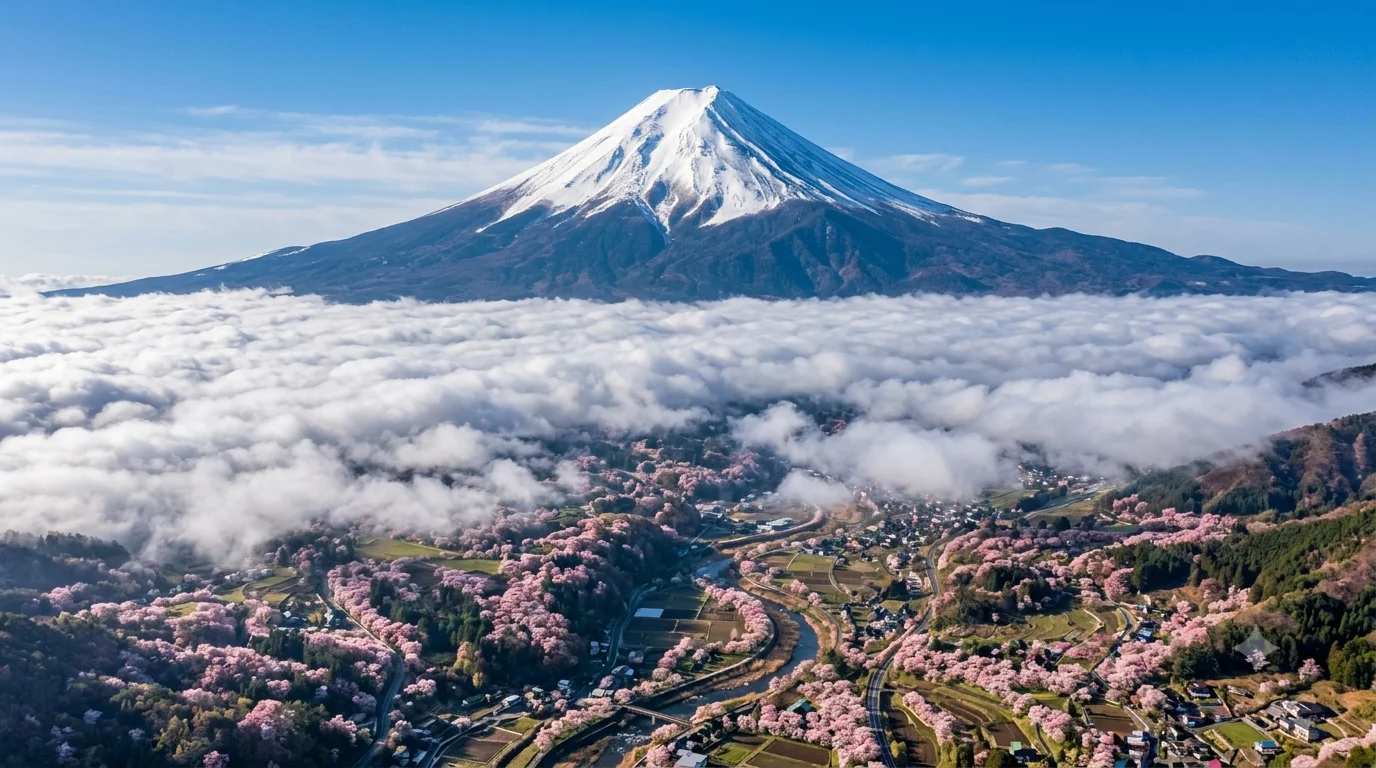
Japan rewards every type of traveler differently. A first-timer walks away stunned by how efficiently everything runs and how much fits into a single day. A repeat visitor keeps finding neighborhoods, food stalls, and cultural corners that somehow escaped the previous trip entirely. Someone chasing nature discovers coastlines, mountain ranges, and forest trails that bear no resemblance to the urban Japan most people picture before they go.
The destinations to visit in Japan covered in this guide span that full range — from globally recognized cities that genuinely live up to their reputation, to quieter prefectures and coastal stretches that most international itineraries skip entirely. Whether your 2026 Japan trip runs five days or five weeks, this guide gives you the clearest possible picture of where to go and what each place actually delivers.
Best Destinations to Visit in Japan in 2026
Tokyo — Where Every Neighborhood Tells a Different Story
No list of destinations to visit in Japan begins anywhere other than Tokyo — not because it is the most beautiful city in the country, but because it is the most layered. Forty million people move through the greater metropolitan area daily, yet individual neighborhoods maintain distinct identities that feel nothing like each other.
Shibuya runs on energy and movement — the famous crossing, department stores stacked fifteen floors high, youth fashion culture operating at full volume from morning until well past midnight. Cross the train line into Shimokitazawa and the volume drops entirely. Vintage clothing shops, independent jazz cafes, and live music venues fill a neighborhood that operates at a completely different frequency.
Yanaka preserves wooden shophouse architecture and a street pace that belonged to an earlier Tokyo. Akihabara converts every available surface into electronics, anime merchandise, and gaming culture. Harajuku contains multitudes — the tourist-facing Takeshita Street and the genuinely interesting Omotesando running parallel, lined with architecture worth studying independently of whatever is inside the buildings.
Practical note for first-time visitors: buy a Suica or Pasmo IC card at any major station on arrival. Loading it with yen covers every train, subway, and bus connection across the city without purchasing individual tickets. The system is fast, clean, and runs on a schedule measured in seconds rather than minutes.
Kyoto — Cultural Depth at Every Turn
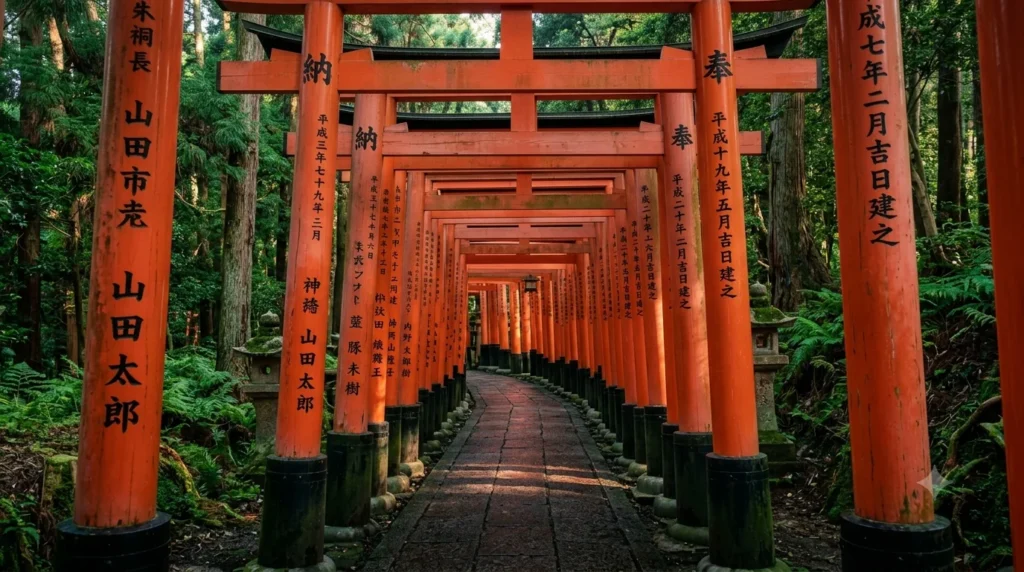
Kyoto held the position of Japan’s imperial capital for over a thousand years, and that history did not disappear when the emperor relocated to Tokyo in 1869. It settled into the city’s architecture, rituals, food culture, and seasonal calendar in ways that make Kyoto the single most culturally dense of all destinations to visit in Japan.
Fushimi Inari Taisha draws the largest crowds — thousands of vermilion torii gates climbing the forested mountain behind the main shrine complex. Arriving before 7am or after 5pm removes most of the foot traffic and returns the upper trail sections to something approaching the atmosphere they were built to create. The full mountain circuit takes two to three hours and most visitors turn back after the first section — the upper half is quieter and the views across the city emerge gradually as altitude increases.
Arashiyama bamboo grove photographs identically regardless of when you visit — but the experience at dawn versus midday differs completely. The morning light through the bamboo canopy, the sound of wind moving through the stalks, and the near-empty path combine into something the midday version cannot replicate.
Gion district holds the highest concentration of intact machiya townhouse architecture in the city. Evening walks through Hanamikoji Street during autumn and winter produce some of the most atmospheric street scenes in Japan. Geiko and maiko sightings are possible but not guaranteed — and attempting to photograph or stop them directly is considered disrespectful. Keep your distance and move aside as they walk by.
Osaka — Food Culture Capital of Japan
Osaka earned its reputation as Japan’s kitchen city honestly. Destinations to visit in Japan that center on food culture consistently return to Osaka because the city’s relationship with eating runs deeper than simple culinary tourism. Osakans take genuine local pride in the quality and value of what their city produces — and that pride is evident in every takoyaki stall, ramen shop, and izakaya operating across Dotonbori and the surrounding streets.
Dotonbori itself is the sensory center of the experience — illuminated signs, canal-side restaurants, street food vendors working continuously from noon until 3am. The density of eating options per square meter rivals anywhere in Asia. Kushikatsu — skewered and deep-fried proteins and vegetables — is the most Osaka-specific dish and one that tastes fundamentally different here than at imitation versions elsewhere.
Beyond food, Osaka Castle sits in the center of a large park that provides both historical context and welcome green space within the dense urban fabric. The castle interior holds a detailed museum covering the period of Toyotomi Hideyoshi’s rule from the castle in the late 16th century. Namba and Shinsaibashi districts cover shopping across every price bracket.
Day trips from Osaka connect efficiently to Kyoto in 15 minutes by shinkansen, Nara in 45 minutes by local train, and Kobe in 20 minutes — making the city a practical base for covering western Japan without changing accommodation daily.
Hiroshima and Miyajima — History and Natural Beauty Combined
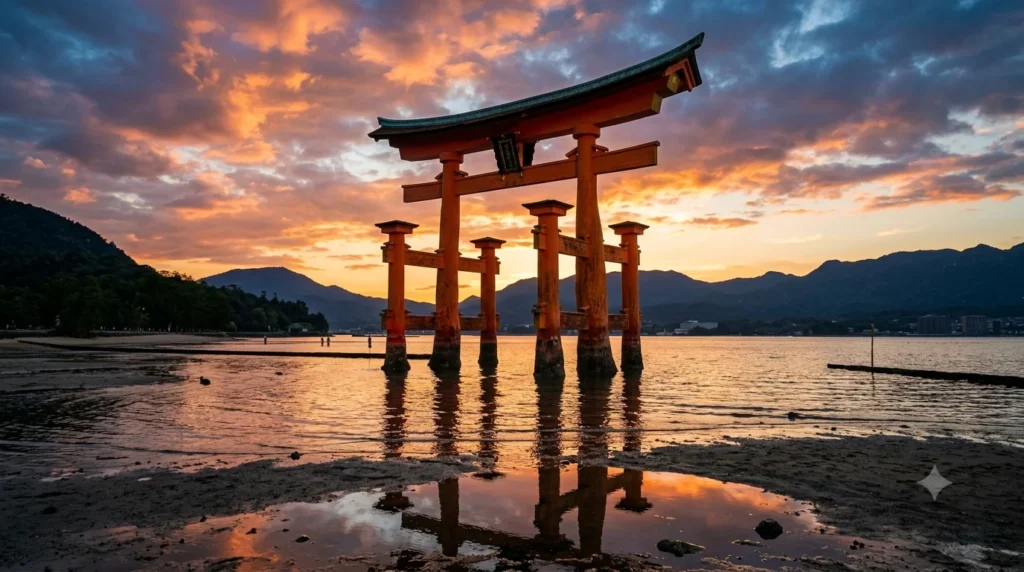
Few destinations to visit in Japan carry the emotional weight that Hiroshima does — and few handle that weight as thoughtfully. The Peace Memorial Museum presents the history of August 6, 1945 with a directness and humanity that leaves most visitors silent. The A-Bomb Dome preserved beside the Motoyasu River completes the picture — a structural remnant left standing deliberately as permanent testament to what occurred.
What surprises most visitors is how the city feels beyond the memorial. Hiroshima is a functioning, forward-looking urban center with excellent food, a navigable streetcar system, and a riverside geography that rewards aimless walking. Okonomiyaki — savory layered pancakes — is the dish most associated with the city, and local versions differ structurally from the Osaka style in ways worth exploring directly.
Miyajima Island sits 30 minutes from central Hiroshima by train and ferry. The floating torii gate of Itsukushima Shrine stands in the tidal shallows offshore — fully submerged at high tide, approachable on foot across wet sand at low water. Deer roam freely across the island and through the shrine complex, entirely accustomed to human presence. The forested mountain behind the shrine offers a cable car or hiking trail ascent with views across the Seto Inland Sea on clear days.
Hokkaido — Japan’s Northern Wilderness
Most international itineraries treat Japan as a single climate zone — warm, humid, and densely populated. Hokkaido disproves all three assumptions simultaneously, making it one of the most distinctive destinations to visit in Japan for travelers who have already covered the central Honshu circuit.
Sapporo, the regional capital, hosts the Snow Festival each February — an event that draws visitors from across Asia to see ice sculptures of extraordinary scale constructed across Odori Park. Outside festival season, the city offers excellent seafood, craft beer culture, and access to ski resorts that rank among the best in Asia for consistent powder snow conditions.
Furano and Biei sit in the agricultural interior of Hokkaido — rolling hills covered with lavender fields in July, patchwork crop colors through autumn, and deep snow landscapes through winter. The scenery has a distinctly un-Japanese quality that frequently surprises visitors expecting the aesthetic of central Honshu.
Shiretoko Peninsula on the eastern coast holds UNESCO World Heritage status for its ecosystem — brown bears, Steller’s sea eagles, drift ice in winter, and coastal cliffs accessible by boat tour during warmer months. It is the most genuinely wild corner of Japan and requires deliberate planning to reach.
Nara — Ancient Capital Within Easy Reach
Nara preceded Kyoto as Japan’s imperial capital, and its compact geography concentrates an extraordinary density of UNESCO World Heritage sites, ancient temples, and free-roaming deer within walking distance of the train station.
Todai-ji Temple holds the largest bronze Buddha statue in Japan inside the largest wooden building in the world — a combination of scale that photographs cannot adequately convey. The surrounding Nara Park contains approximately 1,200 sika deer that have been considered sacred messengers since the 8th century. They approach visitors directly, particularly those holding shika senbei deer crackers sold by vendors throughout the park.
Nara works perfectly as a day trip from Osaka or Kyoto — the journey from either city takes under an hour, and four to five hours covers the main sites comfortably. Staying overnight allows access to the park at dawn when deer numbers are highest and tour group presence is at its lowest.
Hidden Destinations to Visit in Japan Beyond the Main Circuit
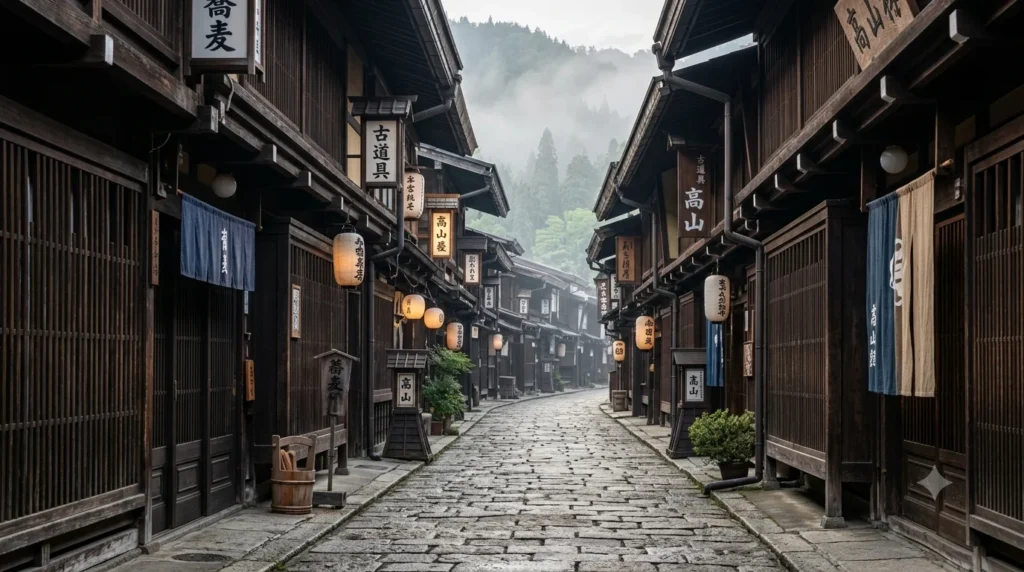
The standard Japan itinerary — Tokyo, Kyoto, Osaka, Hiroshima — delivers genuine value. But destinations to visit in Japan that sit outside this circuit offer something different: the experience of a country that has not organized itself around your visit.
Kanazawa — Sometimes called “Little Kyoto” but more accurately described as Kyoto without the crowds. Kenroku-en garden, the Higashi Chaya geisha district, and the 21st Century Museum of Contemporary Art occupy a compact city center that most visitors cover thoroughly in two days.
Yakushima Island — Ancient cedar forests, some of the oldest living trees on earth, and a hiking culture built around multi-day trail systems through UNESCO-listed wilderness. The island receives more rainfall than almost anywhere else in Japan — bring waterproof gear regardless of season.
Nummazaki, Shizuoka — Rugged Pacific coastline, traditional fishing villages, cross-bay Mount Fuji views, and Suruga Bay seafood culture. One of the most rewarding destinations to visit in Japan for travelers who want genuine coastal experience without tourist infrastructure. Read our complete guide at travelmagazine.blog.
Takayama — A preserved Edo-period merchant town in the Japanese Alps, accessible by limited express train from Nagoya or Matsumoto. Morning markets operate daily beside the Miyagawa River, and the old town district of Sanmachi Suji holds sake breweries, craft shops, and traditional architecture in exceptional condition.
Practical Travel Information for Japan 2026
Getting Around The Japan Rail Pass remains the most cost-effective option for travelers covering multiple cities. Calculate your planned routes before purchasing — the pass pays for itself quickly on itineraries including shinkansen travel between major cities.
Best Time to Visit Spring cherry blossom season runs from late March through mid-April depending on latitude and annual temperature variation. Autumn leaf colors hit their best between October and late November. Both periods represent Japan at its most visually dramatic — and its most crowded. February and June offer the lowest visitor numbers with significant accommodation price reductions.
Currency Japan operates primarily on cash. 7-Eleven and Japan Post ATMs work consistently with foreign bank cards. Carry sufficient yen before entering rural areas where card acceptance is limited.
Frequently Asked Questions
What are the best destinations to visit in Japan for first-time travelers?
First-time visitors to Japan should prioritize Tokyo for urban variety and cultural immersion, Kyoto for temple and shrine culture, Osaka for food and nightlife, and either Hiroshima or Nara for historical depth. This four-city circuit covers the essential character of the country within 10 to 14 days and connects efficiently by shinkansen. Adding one lesser-known destination — Kanazawa, Nummazaki, or Takayama — provides contrast that prevents the itinerary from feeling entirely like a highlight reel.
How many days do I need to visit Japan properly?
Ten days covers the main destinations to visit in Japan on the central Honshu circuit — Tokyo, Kyoto, Osaka, Nara, and Hiroshima — at a pace that allows genuine engagement rather than rushed sightseeing. Two weeks adds Hokkaido or the Izu Peninsula without sacrificing depth in the core destinations. Three weeks opens the possibility of slower travel through less-visited prefectures and island destinations that reward extended stays.
What is the best time of year to visit Japan?
Spring and autumn deliver Japan’s most celebrated seasonal experiences — cherry blossoms from late March through April and autumn foliage from October through November. Both seasons bring higher accommodation costs and larger crowds at popular sites. Winter offers the cleanest Mount Fuji views, excellent skiing in Hokkaido, and significantly lower visitor numbers across most destinations. Summer is warm and humid with active festival culture but less comfortable for extended outdoor activity.
Are destinations to visit in Japan expensive for international travelers?
Japan’s reputation as an expensive destination has shifted considerably. The yen’s recent weakness against major international currencies means that accommodation, food, and transport cost meaningfully less in foreign currency terms than they did five years ago. Budget travelers managing daily costs carefully can travel comfortably on ¥8,000 to ¥12,000 per day excluding accommodation. Mid-range travel runs ¥15,000 to ¥25,000 daily. The Japan Rail Pass represents the largest single investment but delivers strong value across itineraries covering multiple cities by shinkansen.
Which destinations to visit in Japan are best for nature lovers?
Nature-focused travelers find the strongest concentration of experiences in Hokkaido for wilderness, wildlife, and skiing, Yakushima for ancient forest hiking, the Izu Peninsula and Nummazaki coastline for Pacific scenery and marine culture, the Japanese Alps accessible from Takayama and Matsumoto for mountain hiking, and the Seto Inland Sea island network for cycling and rural coastal landscapes. Japan’s nature destinations reward slower travel — most are less accessible by shinkansen and more rewarding when approached with flexible timing.
Conclusion
Japan’s depth as a travel destination comes from variety rather than a single defining experience. The destinations to visit in Japan that stay with travelers longest are rarely the most famous ones — they are the neighborhood discovered by walking in the wrong direction, the coastal village encountered between bigger stops, the temple found at dawn before the tour buses arrive.
Build an itinerary that includes the cities worth visiting and leaves deliberate space for the unplanned. That combination — structure and flexibility — produces the Japan trip that actually matches what draws people to the country in the first place.
- This article was researched and published by the Techsaaswrote Editorial Team to provide accurate, helpful, and up-to-date travel information for our readers.
