

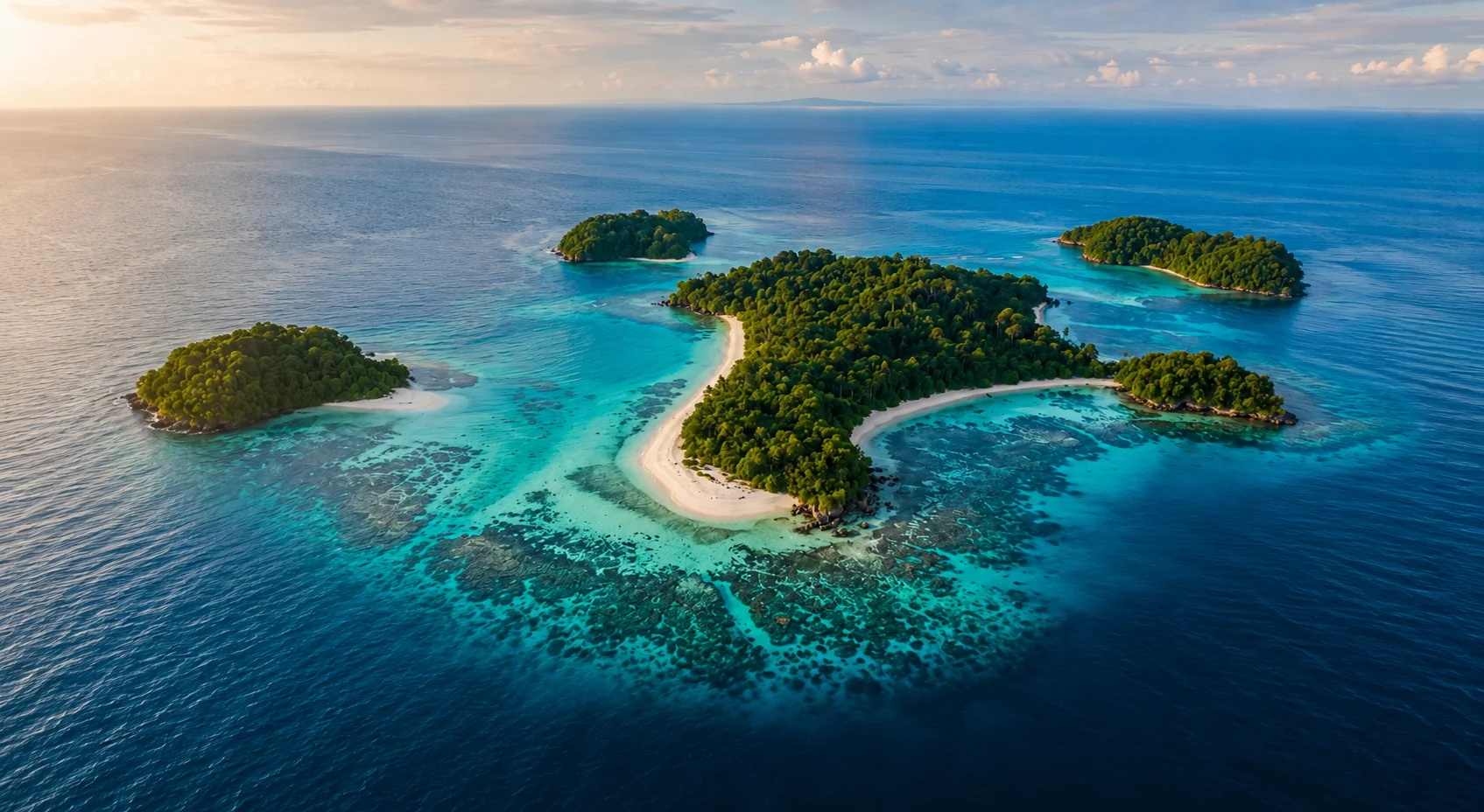
If you have never heard of Lucipara, you are not alone — and that is exactly what makes it so special. Tucked deep in the Banda Sea of eastern Indonesia, the Lucipara Islands are one of those rare destinations that still feel genuinely undiscovered. No crowded beaches, no overpriced resorts, no tourist traps.Nothing but pure wilderness, completely untouched by the modern world.
I still remember the first time I came across photos of Lucipara. Crystal-clear turquoise waters, vibrant coral reefs, and not a single hotel in sight. It felt like looking at a world that modern travel had somehow forgotten to ruin. That feeling never really left me.
Lucipara Islands: Where Exactly Is This Place?
Lucipara is a small cluster of uninhabited islands scattered across the Banda Sea, located approximately 200 kilometres south of Ambon in Maluku Province, Indonesia. The islands are also known by several other names including Lousapara Islands, Lucapin Islands, Lucipara Eilanden, and Pulau-pulau Lucipara.
Administratively, Lucipara falls under Maluku Province — historically known as the famous Spice Islands that once drew trading empires from across the globe. The Dutch East India Company was highly active in this region, drawn by cloves and nutmeg. While Lucipara was never a major spice hub itself, its strategic mid-sea location made it a valuable stopover point between the richer islands of the archipelago. Today, the islands sits far outside the path of mainstream tropical tourism. That remoteness is both its greatest challenge and its most powerful attraction.
How to Get to Lucipara Islands
Getting to Lucipara is not easy — and that is a good thing. The difficulty of access is precisely what has kept these islands so pristine and unspoiled over the years. Most travelers begin their journey by flying into Pattimura Airport in Ambon, which serves as the main gateway to the region. From Ambon, the journey to Lucipara takes roughly 15 hours by boat, covering approximately 175 kilometres across open sea. The islands can only be reached during specific months of the year, typically between May and October, when the monsoon transition brings calm seas and excellent underwater visibility.
Many visitors choose to travel via liveaboard expedition vessels or chartered boats, which offer comfortable accommodation while sailing directly to the islands. This style of travel allows you to wake up each morning already surrounded by the deep blue of the Banda Sea — no long commutes, no crowded departure lounges.
What Makes Lucipara So Special
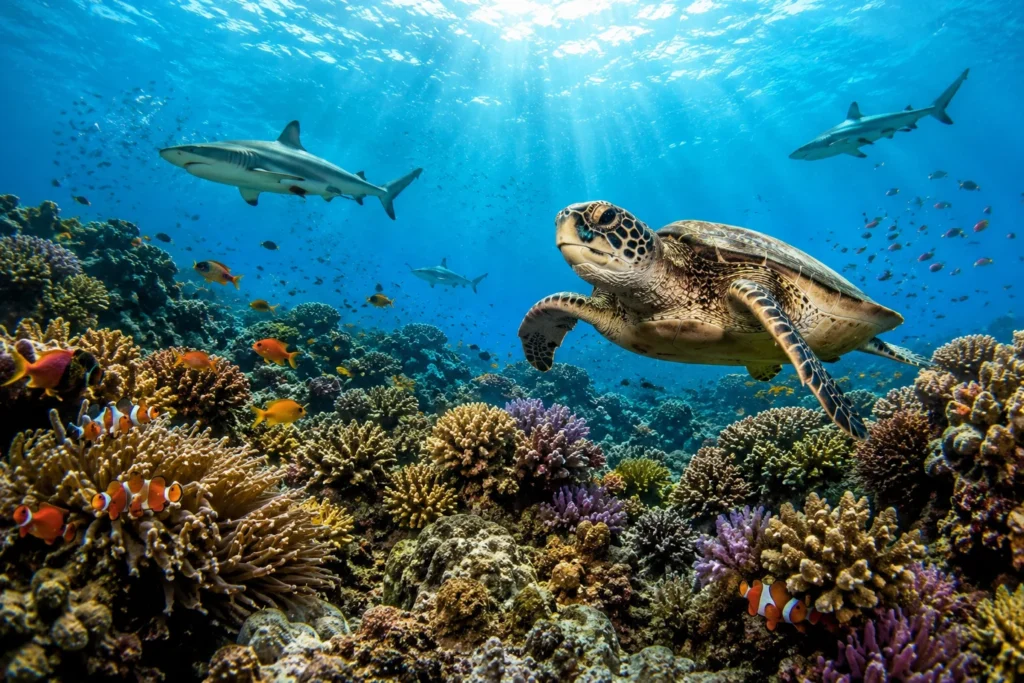
The real magic of Lucipara lies beneath the surface. The islands are surrounded by steep underwater drop-offs, shallow lagoons, and vibrant coral reefs that are home to an extraordinary range of marine life. This is one of the healthiest and most biodiverse reef systems in all of Indonesia.
Beneath the waves, you will find sea turtles, clownfish, reef sharks, Giant Trevally (GT), Dogtooth tuna, bluefin tuna, groupers, barracuda, amberjack, Napoleon wrasse, mahi-mahi, wahoo, snappers, and escolar — all thriving in waters that remain largely free from the pressures of commercial fishing and mass tourism.
Above water, the islands offer pristine sandy beaches, lush tropical vegetation, and a silence broken only by ocean waves. Sea turtle nesting tracks are commonly spotted along the shorelines, a powerful reminder of the ecological significance these islands carry within the broader Coral Triangle region.
For those who enjoy island exploration, Lucipara lets you sail from island to island, camp under a sky full of stars, and genuinely feel like an explorer discovering something new. Each island in the group has its own personality — some lush and green, others bare and windswept, all undeniably beautiful.
Lucipara for Divers and Snorkelers
If you are a diver, Lucipara belongs on your bucket list without question. The coral reefs here rival some of the most celebrated dive destinations in the world, yet they remain far less visited. Colorful corals, dramatic wall dives, and encounters with large pelagic fish make every dive feel like a genuine privilege.
Even for snorkelers, the shallow reef areas around Lucipara offer stunning underwater ecosystems teeming with life. You do not need a diving certification to appreciate what these waters hold — though for deeper dives, proper certification is strongly recommended.
The best diving conditions align with the dry season window between May and October, when calm seas and exceptional water clarity make exploring the reefs both safe and incredibly rewarding.
World-Class Fishing at Lucipara
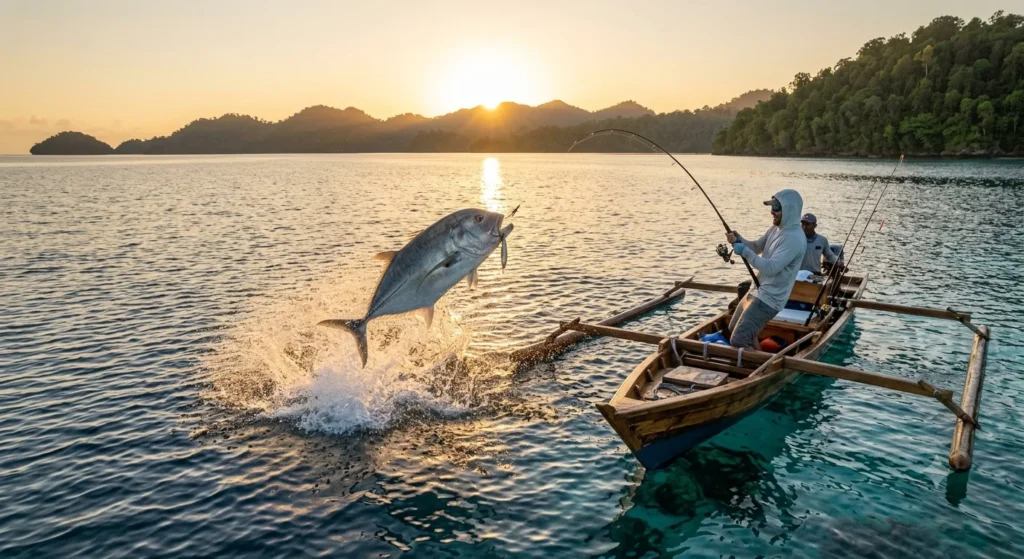
Beyond diving, Lucipara has earned a serious reputation among sport fishing enthusiasts worldwide. The combination of steep drop-offs, strong tidal currents, and an abundance of large predatory fish creates fishing conditions that are genuinely exceptional.
Popular fishing techniques at Lucipara include popping, jigging, trolling, fly fishing, and land-based casting. The strike rates for popping and jigging in particular are remarkably high. Giant Trevally, Dogtooth tuna, and barracuda are among the most prized catches, and experienced anglers consistently describe their time here as among the best fishing of their lives.
Fishing at Lucipara is highly dependent on tidal conditions. The most productive periods tend to fall just before and after the tide changes, when shifting currents stir up feeding activity around the atolls and reef edges. With eight full days of fishing available on most liveaboard trips, there is ample time to experience the full range of what these waters offer.
Conservation and the Future of Lucipara
The very remoteness that makes Lucipara so extraordinary also makes it vulnerable. Local government bodies have identified the island group as a candidate for designation as a marine protected area, recognising the ecological importance of its coral reefs, turtle nesting beaches, and overall marine biodiversity.
Research conducted in the area has highlighted destructive fishing practices and marine debris as ongoing threats, even in a location as isolated as Lucipara. Conservation organisations including the Coral Triangle Center have noted that distance alone cannot fully protect these ecosystems — active management and community involvement are essential.
Local families from nearby islands maintain traditional connections to Lucipara, sailing out for fishing and seasonal ceremonies that reflect a deep cultural relationship with these waters. Sustainable marine tourism that respects both the environment and these traditional practices represents the most promising path forward for protecting what Lucipara still holds.
Practical Travel Tips for Visiting Lucipara
Best time to visit: May through October offers calm seas, excellent diving visibility, and dry weather conditions. How to get there: Fly to Ambon (Pattimura Airport), then arrange a charter boat or join an organised liveaboard expedition. Travel time from Ambon is approximately 15 hours by sea.
What to bring: Sunscreen, snorkelling gear, light clothing, a waterproof camera, and a solid sense of adventure. Mobile coverage is essentially non-existent once you are out at sea.
Safety: Always travel with a trusted guide or organised tour operator. Solo travel to Lucipara without proper support is not advisable given the isolation and open-water conditions.
Visa requirements: Tourists visiting Indonesia typically need to purchase a visa on arrival, which currently costs around 500,000 Indonesian Rupiah (approximately €30). Ensure your passport has at least six months of validity beyond your return date.
Frequently Asked Questions
How do I get to Lucipara Islands from the USA?
Getting to Lucipara Islands from the USA requires flying into Jakarta or Bali, then taking a connecting flight to Pattimura Airport in Ambon, Indonesia. From Ambon, most travelers join a liveaboard expedition or charter a private boat for the 15-hour sea journey across the Banda Sea. Total travel time from the USA is approximately 30–36 hours. Always book through a trusted tour operator who specializes in remote Indonesian destinations for the safest and most comfortable experience.
What is the best time of year to visit Lucipara Islands?
The best time to visit Lucipara Islands is between May and October, during the dry season when the Banda Sea is at its calmest. This window offers exceptional underwater visibility for diving and snorkeling, dry weather conditions for island exploration, and the highest fishing strike rates around the atolls. Avoid visiting between November and April when the monsoon season brings rough seas and limited boat access to the islands.
Is it safe to travel to Lucipara Islands as a solo traveler?
Lucipara Islands can be visited safely as a solo traveler, but only when traveling with a reputable guide or organized tour operator. The islands are completely uninhabited and extremely remote — located 175 kilometres from Ambon in open sea — meaning independent solo travel without professional support is strongly discouraged. Always choose operators with verified safety records, proper emergency equipment, and experienced crew who know the tidal conditions and weather patterns of the Banda Sea.
What marine life can you see at Lucipara Islands?
Lucipara Islands offer some of the most diverse marine life in all of Indonesia. Divers and snorkelers regularly encounter sea turtles, clownfish, reef sharks, Giant Trevally, Dogtooth tuna, Napoleon wrasse, groupers, barracuda, mahi-mahi, and wahoo in the crystal-clear waters surrounding the islands. The coral reefs here feature dramatic wall dives and steep drop-offs that support an extraordinary range of pelagic fish and tropical species within the broader Coral Triangle ecosystem.
How much does a trip to Lucipara Islands cost?
A trip to Lucipara Islands typically costs between €460 and €500 per person per night on a shared liveaboard expedition vessel, with a single supplement surcharge of around €220 per night. A standard 10-day trip costs approximately €5,000 per person including accommodation on the mothership, meals, guided fishing or diving, and transfers from Ambon. International flights, Indonesia tourist visa (approximately €30), personal fishing or diving equipment, and tips for the crew are usually not included in the package price.
Conclusion
Lucipara is not the kind of destination you stumble upon by accident. It takes planning, patience, and a genuine appetite for adventure. But for those who make the effort, these islands offer something that is becoming increasingly rare in travel — a place that still feels wild, honest, and completely its own.
Whether you come for the world-class diving, the extraordinary sport fishing, the chance to watch sea turtles nesting on untouched beaches, or simply to experience what the Banda Sea looks like when human development has barely left a mark — Lucipara will stay with you long after you return home. Some places exist to remind you why travel matters in the first place. Lucipara is one of them.
